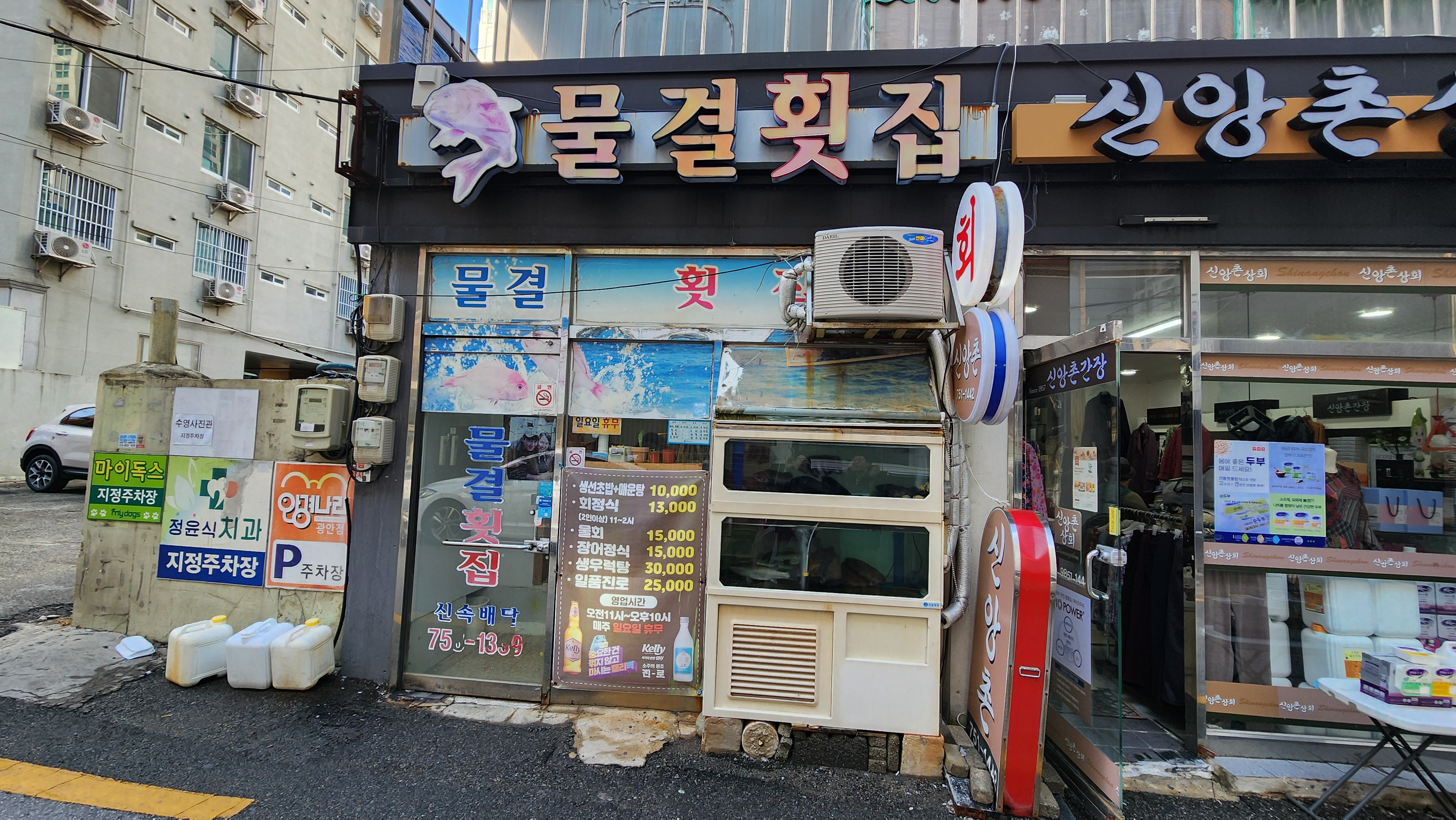
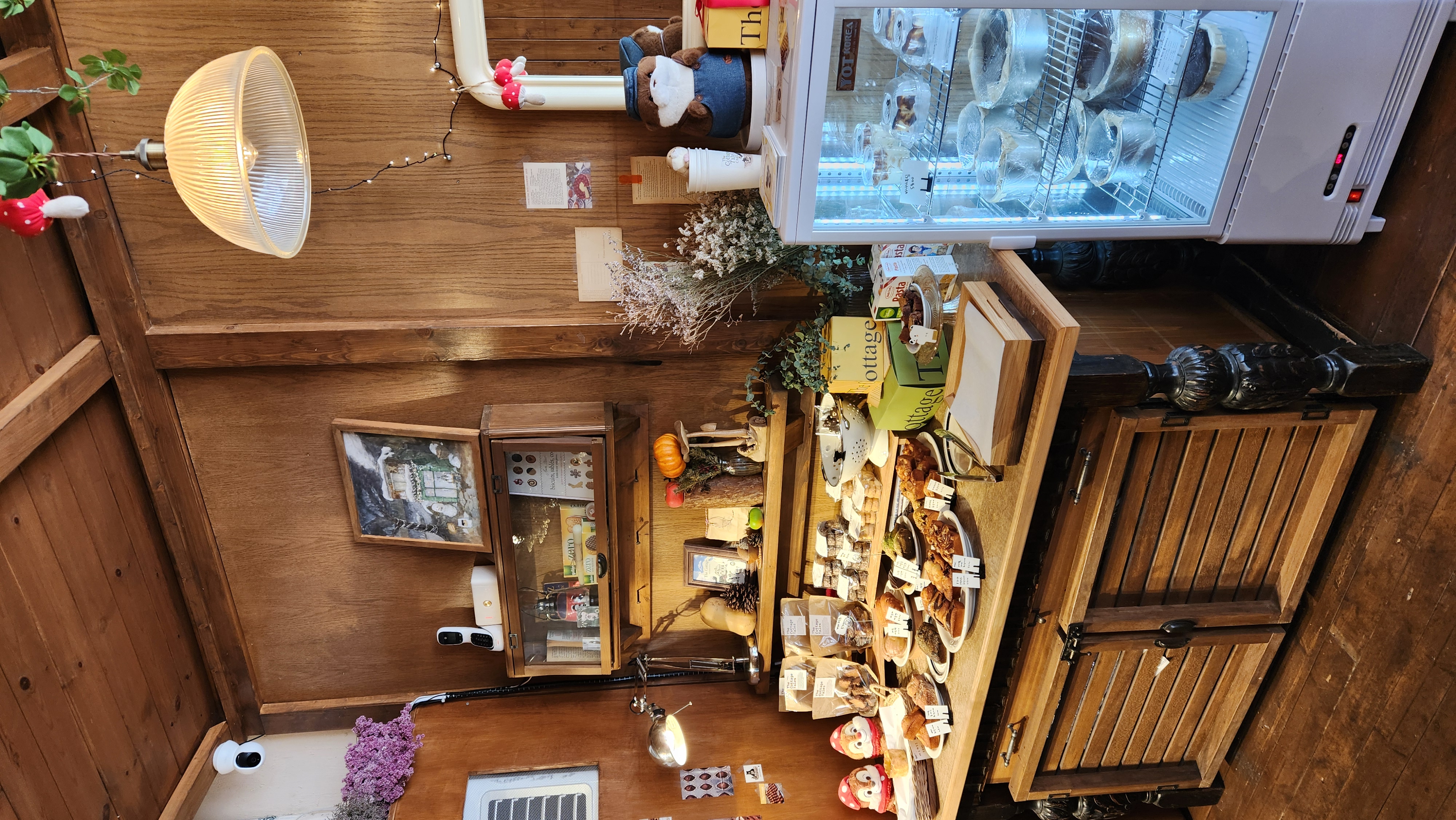
서울역곰탕 업체사진

Have you watched Netflix's Culinary Class Wars (흑백요리사)? It's a show where some of Korea's most prominent chefs compete for first place and the prize money. It was a massive hit in Korea, and I think it genuinely shifted how people here think about dining out — it encouraged people to seek out fine and creative cuisine rather than sticking to the familiar. The chefs became stars overnight. People started making pilgrimages to their restaurants. Lines around the block. Reservation waitlists stretching months out.
 
In early 2025, two chefs from the show quietly opened a small pork soup restaurant near Seoul Station (서울역). The concept is fine-dining technique applied to one of Korea's most humble dishes. These are chefs who spent years perfecting French sauces, and now they bring that same precision to a bowl of pork soup. The restaurant is called Seoul Yeok Gomtang (서울역곰탕) 


A quick note on terminology: gomtang is traditionally a clear beef bone broth, while pork soup is more commonly known as gukbap (국밥) — a rich, milky, and cloudy dish. What makes this restaurant unusual is that they've made a gomtang-style clear broth, but with pork. It may not be traditional, but it feels very Korean. 


The Food
The star of the menu is their pork gomtang (돼지곰탕). As I mentioned, this is not the thick, milky-white broth most people picture when they think of pork soup. Seoul Yeok Gomtang's broth is clear — almost transparent. After a bit of research, I found out the broth is made without bones — pork shoulder, root vegetables, shellfish, angelica root, liquorice, jujubes, and dried shiitake mushrooms. Apparently every ten minutes during cooking the sediment is strained out, and at the very end the broth is passed through cheesecloth. I'm not a food expert, so I can't claim to taste all of that — but what I can say is that it was remarkably clean. No gaminess at all, which genuinely surprised me given it's pork. Just a light, clear broth that didn't feel heavy at all.


The soup and rice are served separately, not already soaked together. This lets you taste the broth on its own first, then add rice at your own pace. The pork shoulder slices on top are tender and lean, with almost no greasiness. I'd also recommend trying it with the gakdugi (깍두기, radish kimchi) served on the side — it cuts through the broth nicely.


One note on seasoning: the broth is intentionally on the saltier side. If you prefer something milder, you can ask for unsalted broth and season it yourself at the table.


How to Order
 
Each table has a QR code for ordering. The menu is in Korean by default, but there's an auto-translated English version — though some of the translations are a bit off. I'm including my own translation below.


A few tips :

  • Walk-ins welcome. The restaurant fills up quickly during lunch hours with nearby office workers, so going slightly off-peak is recommended.
  • staff won't come to you unless you call them.
  • Order one gomtang per person, and add a side dish if you're hungry.
  • It's 5mins away from subway "Seoul train station" station exit number 7.
  • https://maps.app.goo.gl/PJa17D6s6DdQHRT29

서울역곰탕 · 서울특별시 중구 퇴계로 15

★★★★★ · 한식당

www.google.com


반응형

If you’ve watched the Netflix show KPop Demon Hunters, you may remember Rumi shoving an entire uncut roll of gimbap into her mouth in one bite. I need to say this clearly: no Korean actually does this. We do sometimes buy a whole roll to-go and bite into it without slicing — sure. But fitting an entire roll in one bite? That’s pure cartoon logic. Please do not attempt this at a bunsik shop unless you want every person in the room staring at you. As a Korean local who’s lived in Seoul for years, I want to share some tips for enjoying bunsik (분식) — Korean-style snack food — the way we actually eat it.


What Is Bunsik?

 As I mentioned, bunsik is Korean-style snack food — the kind that Korean students grab right after school, crowding around a tiny shop near the school gates with a group of friends. The food is heavy on flavour, light on cost, and big on portion. It’s not meant to be refined. It’s meant to fill a teenager up and taste good doing it — even though, somehow, they’re hungry again an hour later. Back in the day, almost every school had at least two or three bunsikjip (분식집, bunsik shops) right outside the school gates. These days, I guess with parents paying more attention to nutrition, many of those shops have disappeared. But open any delivery app in Korea and you’ll see that Koreans’ love for bunsik hasn’t faded one bit — it’s just moved from the school gate to the smartphone screen.


 We’re talking tteokbokki (spicy rice cakes), gimbap (seaweed rice rolls), tuigim(assorted fries), odeng (fish cake skewers), sundae (Korean blood sausage), instant ramyeon, and more. The big three are tteokbokki, gimbap, and ramyeon. If you’re a fan of Korean culture, you’ve probably tried some of these in your own country. But when you visit Korea, I’d recommend branching out and trying other bunsik items too — especially sundae.

 I’ll be honest: I’m a little sad that sundae gets translated as “blood sausage” in English. It sounds far more terrifying than it actually is. The sundae you’ll find at most bunsik shops is stuffed mainly with dangmyeon (glass noodles), so calling it “glass noodle sausage” would be far more accurate. It has a mild, savoury taste with a soft, chewy texture. Try it dipped in salt — or better yet, keep reading for some tips.


How to Eat Bunsik Like a Local

One tip: the ultimate dipping sauce

Here's the one tip that will make your bunsik experience ten times better: try to order tteokbokki, even if it's just the small size. The reason is the sauce. That thick, sweet-spicy tteokbokki sauce is the unofficial dipping sauce for everything else on the table.

Grab a slice of gimbap, a piece of sundae, or some fried food and dip it in the tteokbokki sauce. The tteokbokki itself might be too spicy for some visitors, but the sauce in smaller amounts — as a dip rather than a main course — is usually manageable, and it pairs beautifully with the milder flavours of gimbap and sundae. Trust me on this one.

Second tip: how to tame the spiciness

It's not just tteokbokki — many Korean foods are spicy, and if you're not used to the heat, it can be a lot. But even if you still want to try something spicy, I'd suggest pairing it with milk or a local fruit-flavoured milk drink: 쥬시쿨 (Juicy Cool) or 쿨피스 (Cool PIS). These are the drinks Koreans swear by for taming spiciness. You'll find them at many bunsik shops, or you can just grab one from any convenience store nearby. Have it ready before you dig into something spicy — it works surprisingly well.


Third tip: the unofficial complimentary service

If the shop has odeng (fish cake skewers) simmering in a pot, ask for a cup of the broth. At most bunsik shops, the warm, slightly salty odeng broth is offered as a free side — it's practically an unwritten rule. Sipping on that warm broth between bites makes everything taste better, especially on a cold day.


Where to Try Bunsik in Seoul- try a franchise, or find your own local shop

Yupdduk / Dongdaemun Yupdduk (동대문엽기떡볶이) — For Spice Lovers

It's one of the most popular tteokbokki franchises in Korea, famous for its bold, fiery sauce. If you want to test your spice tolerance, Yupdduk is the chain to visit. The tteokbokki comes in big, shareable bowls loaded with rice cakes, fish cakes, sausages, and cabbage, topped with melted cheese. You can choose your spice level, but fair warning — even the mildest option (착한맛, chakhan mat, meaning "gentle flavour") already has a noticeable kick. They also offer a rosé (cream-based) version and a mala-spiced version for the truly daring. With hundreds of locations across Seoul, finding one is never a problem. And now that you know what to grab if you can't handle the heat, make sure you're prepared before you dive in.


Jongno Gimbap (종로김밥) — The No-Frills Local Favourite

My personal favourite gimbap chain is Jongno Gimbap. It's a neighbourhood chain found throughout Seoul, with the same cafeteria-style setup as its competitors: a long menu on the wall, self-service water and utensils, and a no-frills atmosphere very similar to Gimbap Cheonguk (김밥천국). The difference is the gimbap itself. Their varieties — from classic to cheese to spicy ttaengcho (chilli pepper) — are all genuinely good. Prices are slightly higher than other similar chains, but the quality and taste more than make up for it: a basic roll starts around 3,800 KRW, with specialty rolls in the 4,500–6,000 KRW range (roughly $3–5 USD). Still very affordable.


Traditional Markets & Street Stalls

The best way to fully experience bunsik is to visit a traditional market. Every traditional market you go to — Namdaemun Market, Tongin Market, Mangwon Market — will have stalls where you can grab tteokbokki, sundae, and fried snacks for just a few thousand won. Part of the bunsik experience is the casualness of it — standing on a sidewalk with a paper cup of tteokbokki, eating with a toothpick, watching the city go by.


Try your neighbourhood bunsik shop with delivery apps

Korea's food delivery system is one of the fastest and most developed in the world. Average delivery time in Seoul is under 30 minutes, and you can order to your hotel, Airbnb, or even a park bench by the Han River — though do check with your accommodation's policy first. For bunsik especially, delivery is hugely popular — many Koreans order tteokbokki and gimbap to their homes rather than eating out. And here's the good news: no matter where you're staying in Seoul, there's almost certainly a small neighbourhood bunsik shop within delivery range. Browse the ratings, check the menus, and make your own pick. I'll cover which delivery apps to use and how to navigate them as a foreigner in a separate post. Stay tuned.


Bunsik isn’t a cuisine you plan a trip around. It’s the food you stumble into between other plans — on the way back from a palace, while waiting for a friend, or when you’re just hungry and want something good, fast, and cheap. And that’s exactly what makes it so Korean.


반응형
Seoul is more than South Korea’s capital. It has served as the seat of royal dynasties for centuries, and the city you see today is the result of massive expansion since 1945. As you explore, you’ll notice moments where centuries quietly overlap: a Joseon-era palace standing right behind a glass office tower, or a narrow alley of traditional hanok houses tucked beside brand-new apartment buildings.

If this is your first time visiting, think of this post as tips from a local friend. Not a polished guidebook, but the kind of advice I’d give you over coffee before you headed out the door. I hope it helps you experience the city in a way that feels real.


The Four Gates of Old Seoul

Seoul has long served as the capital of Korea. During the Joseon Dynasty, however, only the area north of the Han River — specifically inside the four main gates — was considered Seoul. The four green gates on the map represent these gates, or the sites where they once stood.


The naming is straightforward once you know the pattern. 동(Dong), 서(Seo), 남(Nam), 북(Buk) mean East, West, South, and North. 대문(Dae-mun) means “great gate.” So each gate is simply named after the direction it faces from the centre of the old city.

For example, Dongdaemun — as in DDP (Dongdaemun Design Plaza) — literally means “East Gate.” If you look at the map, you’ll see it sits to the east of Gyeongbokgung Palace, exactly where you’d expect.

Namsan, famous for N Seoul Tower, follows the same logic. It was the mountain located to the south of the palace, just beyond Namdaemun (the South Gate). So people simply called it Namsan — “South Mountain.”


A Quick Trick for Reading Korean Place Names

Before we go further, here’s something that will make your trip much easier. Korean place names might look intimidating at first, but most of them follow a simple pattern: a name plus a suffix that tells you what kind of place it is. Once you learn a few of these suffixes, street signs and subway maps suddenly start making sense.

-dong (동) means a neighbourhood. Samcheong-dong, Yeonhui-dong, Hannam-dong — these are all neighbourhoods.

-ro (로) means a road. Teheran-ro is the main avenue in Gangnam. Sejong-daero is the wide boulevard running through Gwanghwamun.

-gu (구) means a district, a larger administrative area that contains many -dong neighbourhoods. Gangnam-gu, Mapo-gu, Yongsan-gu — think of these as boroughs.

So when you see a name like “Samcheong-dong, Jongno-gu” on a map, you now know it means: the Samcheong neighbourhood, in the Jongno district. That’s it. No mystery.


The Han River: Gangbuk and Gangnam

Cutting through the middle of Seoul is the Han River. The northern side is called Gangbuk, which literally means “north of the river.” The area inside the four gates in Gangbuk has been home to royal palaces and major government offices for centuries, so you can still find traces of old Seoul there: winding narrow streets, low-rise buildings, and historic sites around every corner. This is where most of the city’s must-see attractions are concentrated — royal palaces, Cheonggyecheon Stream, Myeongdong, and Bukchon Hanok Village. If you want to experience the charm of traditional Korea, this is the place.


The area south of the Han River — especially the district known as Gangnam — tells a very different story. It was newly developed during the 1960s and 1970s as Seoul expanded rapidly. Even from the map, you can see the difference: unlike Gangbuk’s winding narrow streets, Gangnam has wide roads laid out in a neat grid pattern.

Today, Gangnam has become a key centre of Korea’s economy, known for its business districts (such as Teheran-ro) and luxury residential areas. And yes — the “Gangnam” in Psy’s Gangnam Style refers to this very district. In Korea, “Gangnam Style” originally described the polished, high-earning, fashionable lifestyle of people in this area — something to aspire to. What Psy did was take that image and flip it into comedy, playing the part of someone trying to look the part while clearly having too much fun to care. That gap between the glamorous ideal and his over-the-top performance is what made the song so funny to Korean audiences.


Two Cities in One

This is what makes Seoul so fascinating. In Gangbuk, you can explore royal palaces, historic neighbourhoods, and artistic cultural spaces that reflect the city’s long past. In Gangnam, you’ll witness the fast-paced life of modern Seoul — busy professionals, towering business centres, and contemporary urban energy.

Together, they make Seoul a city where centuries of history and the pulse of modern life exist side by side. And once you understand this north–south divide, the city starts to make a lot more sense.


Now that you have a sense of how Seoul is laid out, it’s time to go deeper. In the next post, A First-Timer’s Guide to a City That’s Been Home for 15 Years , I’ll walk you through each neighbourhood one by one — what makes it worth visiting, what to expect when you get there, and the tips I’d give a friend before they headed out the door.


https://letslearnsomethingnew.tistory.com/327


A First-Timer’s Guide to a Seoul City

Seoul is more than South Korea’s capital. It has served as the seat of royal dynasties for centuries, and the city you see today is the result of massive expansion since 1945. As you explore, you’ll notice moments where centuries quietly overlap: a Jos

letslearnsomethingnew.tistory.com


반응형
Seoul is more than South Korea’s capital. It has served as the seat of royal dynasties for centuries, and the city you see today is the result of massive expansion since 1945. As you explore, you’ll notice moments where centuries quietly overlap: a Joseon-era palace standing right behind a glass office tower, or a narrow alley of traditional hanok houses tucked beside brand-new buildings.


If this is your first time visiting, think of this post as tips from a local friend. Not a polished guidebook, but the kind of advice I’d give you over coffee before you headed out the door. I hope it helps you experience the city in a way that feels real.


Getting Your Bearings

Seoul can feel overwhelming at first. There are so many neighbourhoods, each with a completely different personality. The trendy cafe district ten minutes north has almost nothing in common with the corporate jungle ten minutes south.

Below, I’ve broken the city into the eight areas you’re most likely to visit. Once you get a rough sense of how these areas sit in relation to each other, planning your days becomes much easier. Think of this as your mental map before you even open Google Maps.


① Gwanghwamun & the Old Han Yang Area — Historic Seoul  광화문 & 한양 일대


If you have time to visit only one area of Seoul, make it this one. Gwanghwamun has been the heart of the city for centuries, and it still feels like it. This is where royal palaces and centuries-old stone bridges sit right alongside modern Seoul City Hall, glass-front hotels, and office towers. The result is something you don’t get anywhere else: you can stand in one spot and see more than 500 years of history in a single view.


Most of Seoul’s major traditional attractions are concentrated here: Gwanghwamun Square, Gyeongbokgung Palace, Cheonggyecheon Stream, Insadong, Bukchon Hanok Village, Samcheong-dong, and Ikseon-dong.

What you might not expect is that the Gwanghwamun area is also a major business district. Gwanghwamun, Jongno, and Euljiro are home to major media companies, newspapers, and international corporations — you can even spot the Microsoft Korea office near Gwanghwamun, the main gate of Gyeongbokgung Palace.


My recommendation: Take a leisurely walk from City Hall up to Gwanghwamun. The route itself is one of the nicest walks in the city.


② Hongdae & Yeonhui-dong — Youth & Creative Energy  홍대 & 연희동

This area is surrounded by several major universities — Hongik, Yonsei, Ewha Womans, and Sogang — and the energy is exactly what you’d expect. Young, loud, and very much alive.

Hongdae is famous for its nightlife, street performances, and crowds of students filling the streets well past midnight. If you want to feel Seoul’s youthful pulse, this is it.


Yeonhui-dong, just a short walk away, is the quieter counterpart. It used to be a sleepy residential neighbourhood, but over the past few years it’s filled up with stylish cafes, one-of-a-kind restaurants, and small boutique shops. It has a relaxed, local feel that most tourist-heavy areas lack — and it’s a favourite among Seoulites themselves. If you want a more authentic side of the city, spend an afternoon here.


③ Itaewon & Hannam-dong — Global & Trendy Seoul  이태원 & 한남동

Itaewon, just one subway stop away, has long been known for its international flavour — many restaurants and shops here are run by foreigners living in Korea, giving it an atmosphere unlike anywhere else in Seoul.

As you walk toward Hannam-dong, the vibe shifts again. This is where you’ll find flagship stores from global and Korean brands, fashion boutiques with curated selections, and concept stores that feel more like art galleries. The whole area is full of excellent restaurants and a distinctly polished energy.


A word of warning: This neighbourhood is built on hills. Steep ones. Wear comfortable sneakers — seriously. Your feet will thank you.


④ Seongsu & Seoul Forest — Industrial-Chic & Green  성수 & 서울 숲

Seongsu used to be an industrial zone — old factories, shoe workshops, hardware stores. Today, many of those buildings still stand, but their interiors have been completely reimagined. The original brick facades and exposed beams remain while the insides have been converted into trendy cafes, restaurants, galleries, and creative workspaces. It’s an aesthetic that feels specific to this neighbourhood.


This is also the hotspot for brand pop-up stores and events. If a brand is launching something in Seoul, there’s a good chance it’s happening in Seongsu. The area draws huge local crowds, especially on weekends.

One subway stop away (or a pleasant walk) is Seoul Forest, a green park where the pace drops entirely. You can relax under the trees, then wander into the beautifully designed shops and pop-up spaces that line the streets nearby. Even small independent stores here tend to have thoughtfully designed interiors — Seongsu takes its aesthetics seriously.


⑤ Yeouido — Finance & Modern City Life  여의도

Yeouido is Seoul’s financial centre. Major banks, securities companies, and the Korea Exchange are all headquartered here. There’s even a local term, “Yeouido Finance Man,” referring to the office workers in the securities industry here. If you’re curious about Korea’s fast-paced corporate culture, this is the place to observe it firsthand.


One of the biggest practical perks of Yeouido is how connected everything is: the subway stations, ‘Yeouido The Hyundai’ — the largest department store in Seoul — and IFC Mall are all linked underground, forming a massive indoor district where you can spend hours browsing, eating, and walking around without ever stepping outside. Rain or sweltering heat, it doesn’t matter.

Other landmarks include the golden 63 Building and the National Assembly. Yeouido Park is pleasant for a stroll, but make no mistake — this area hums with the rhythm of working professionals.


⑥ Apgujeong — Luxury & Fashion  압구정


This is Seoul’s high-end fashion district. Hyundai Department Store Apgujeong — one of the most upscale department stores in the city — anchors the area, surrounded by luxury boutiques, select shops, jewellery stores, and, yes, quite a few plastic surgery clinics.


This is also a neighbourhood where Korean celebrities are regularly spotted. Don’t be surprised if you see a familiar face from Korean TV walking right past you. If you want to see Seoul’s luxury and fashion scene concentrated in one walkable area, Apgujeong Rodeo is it.


⑦ Gangnam — Seoul’s Main Business District  강남


Teheran-ro, the main avenue stretching from Gangnam Station to Samseong Station, is lined with office building after office building. This is currently the densest concentration of companies in all of Seoul. If you want a first-hand look at Korean corporate life, walk through here on a weekday.


One important tip: Avoid rush hours at all costs. The subway gets extremely packed during commuting times. Many locals describe it as a “hell-level crowded subway train” experience — you’ll truly realise how many people can fit into a single train car. It’s an experience, but definitely not a pleasant one.


⑧ Jamsil & Lotte Tower — Scenic & Iconic  잠실, 롯데타워

Jamsil is a major shopping district in its own right. Lotte Department Store, Lotte World Mall, and Lotte Tower are all connected underground from Jamsil subway station, so you can move between them without stepping outside. Lotte Tower is the tallest building in Korea, and it's visible from many parts of southern Seoul — a useful landmark when you're trying to get your bearings.


Jamsil is also home to Seokchon Lake and the trendy Songridan-gil street. In spring, cherry blossoms ring the lake, creating what is honestly one of the most beautiful scenes in the entire city. It's the kind of view that stops you mid-step. That said, the cherry blossoms are no secret — the entire lake area gets packed with visitors during peak bloom, so brace yourself for serious crowds if you go in season.


Seoul is a city that rewards curiosity. The best moments often come from wandering one block further than you planned, ducking into a side street, or sitting down at a restaurant where you can’t read the menu. I hope this guide gives you just enough orientation to feel confident — and just enough freedom to discover the rest on your own.


Happy exploring.

반응형
이 임장 후기는 저의 아주 개인적인 의견입니다. 그리고 저는 전문가가 아닙니다. 느낀 바를 그냥 자유롭게 적어놓은 것이니 읽을 때 이 부분을 참고하시기 바랍니다.


동작구 사당동을 다 돌아본 건 아니고 제 발길이 닿는 데로 다녀보고 왔습니다.

이수역, 남성역 지하철 역세권 구역으로 볼수 있는 1 구역

서달산과 까치산 사이에 있는 숲세권 2 구역으로 나누어서 이야기를 해볼게요.


남성, 이수 역세권 구역

여기는 다시 남성역 방면으로 경사가 있는 구역과 이수역 방면 경사가 있는 구역을 나눠서 봐야 할 것 같은데요.


이수역 방면은  래미안로이파크(2018년 668세대 80.37㎡ ~ 155.38㎡ ), 이수역리가(2013년 452세대 107.02㎡ ~ 109.39㎡ ) 이외의 나머지 아파트들은 연식이 좀 많이 되어 보였어요. 그리고 이수역에서 올라가는 길에 오래된 빌라와 상가건물이 많아 여성 혼자 밤에 다니기에는 조금 부담스러울 것 같습니다.


그런데 극동, 우성 2, 우성 3은 리모델링 들어가고 힐스테이트 이수 센트럴 파크가 28년에 완공되면 분위기가 완전히 바뀔 것 같아요.(아직 사업초기라 언제 될지 모르지만..) 대단지 신축아파트가 4단지나 생기고 또 이수역에서> 이수리가, 래미안로이파크,> 롯데캐슬까지 사람들이 밤에도 마음 놓고 다닐 수 있는 길이 생겨서 주거지역으로서 아주 괜찮아질 것 같은 느낌이 듭니다.

사람들 왕래가 많아지면 오래된 빌라와 상가건물도 좀 정리가 되지 않을까 싶어요.


남성역 방면은 래미안과 대림아파트는 대단지이지만 연식이 조금 되고 생각보다 경사가 있었습니다. 남성역까지 경사 없이 다닐 수 있는 건 두산위브 트레지움(2011년/ 451세대 79.93㎡ ~ 156.37㎡ ) 정도 이것 같아요. 대림 (1152세대 1990.08.07 80.93㎡ ~ 145.4㎡)도 재개발을 준비하는 모양새였고 현대 아파트 위쪽은 가보지 않아서 모르겠습니다. 대림아파트도 부지가 넓어 재개발이 된다면 대단지가 될 것 같고 좀 언덕에 있는 모양새라 경사가 있지만 남성역과 이수역 모두  접근이 가능할 것 같습니다.


서달산과 까치산 사이에 있는 숲세권 구역


숲세권 구역의 특징은 지형이 계곡 모양이라는 점입니다. 양쪽에 산이 있고 북쪽 봉천고개 쪽으로 갈수록 경사가 높아집니다.

ㄱ,ㄷ 부분경사가 완만한 편이라 걸어 다닐만한데 ㄴ부분은 경사도 심하고 차길 이라 밤에는 걸어 다니고 싶지 않을 것 같아요.

ㄱ 부분 그리고 ㄴ,ㄷ 부분으로 버스가 다니기 때문에 대중교통이용이 가능합니다. 사당롯데캐슬골든포레는 아파트 단지 자체가 심한 언덕에 있기 때문에 차량이 있는 게 좋을 것 같습니다.


사당롯데캐슬골든포레( 2021년 959세대 74.3㎡ ~ 137.47㎡)가 최근에 지어진 신축이고 나머지 사당자이 경남아너스빌 삼호그린 모두 90년대 지어진 아파트입니다. 이 아파트 단지들은 아직 재건축이나 리모델링 이야기가 없는 것 같고 대신  중간에 있는 빌라지역에 뭔가 개발 소식이 있는 것 같아요. 전체적으로 차분한 주거동네 느낌이었습니다. 


반응형

모두 아시겠지만 미국에는 연방정부에 납부하는 세금(Federal Tax) 외에도
각 주(State)에 납부해야 하는 주세(State Tax)가 존재합니다.

개인적으로는 이 구조가 우리나라의 국세와 지방세를 보는 것과 비슷하다고 느꼈습니다.
국세는 학교에서도 배우고 시험에서도 많이 접하다 보니 익숙한 편인데,
지방세는 실무에 와서야 제대로 보게 되고, 막상 찾아보려 하면 정리된 자료가 생각보다 많지 않더라고요… 😭


미국에서 사업을 할 경우 납부해야 하는 세금은 더 다양할 수 있지만,
우선 큰 틀에서 제가 파악한 주요 세목은 아래와 같습니다.


1. 연방정부(Federal) 세금


먼저 연방정부에 납부하는 세금을 보면 다음과 같습니다.

  • Corporate Income Tax
    → 법인세
  • Federal Unemployment Tax (FUTA)
  • FICA (Social Security & Medicare)
    → 우리나라의 고용보험, 4대 보험과 성격이 유사합니다.
  • Form 1099
    → 원천징수 지급명세서와 비슷한 개념으로 이해하시면 될 것 같습니다.
    (1099 관련 내용은 별도 게시글로 정리할 예정입니다.)


2. 주정부(State) 세금


주정부 세금은 주마다 굉장히 다릅니다.

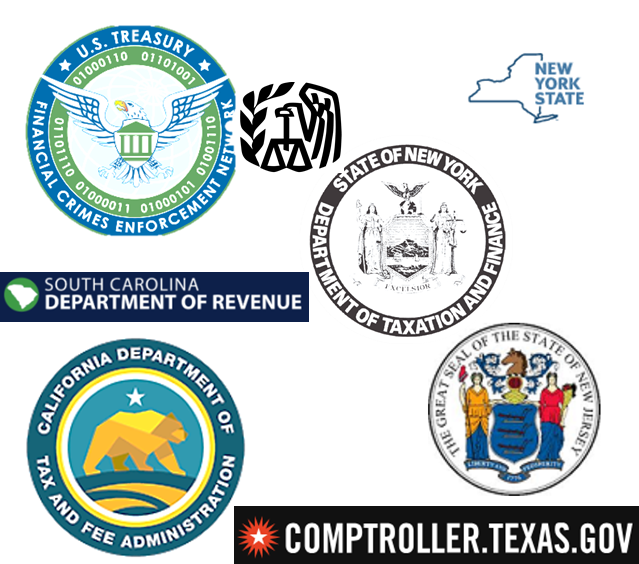
각 주는 보통 Department of Revenue(주마다 명칭은 다름)라는 별도의 기관을 두고
세금 신고 및 납부를 관리하고 있습니다.

앞서 언급했듯이 주법(State Law)이 모두 다르기 때문에, 가장 정확한 방법은 해당 주의 공식 사이트에서 직접 확인하는 것입니다.

다만, 기본 개념을 잡기 위한 큰 틀로 보면 주세는 보통 아래와 같이 나눌 수 있습니다.

  • Corporate Income Tax
    → 주 법인세
  • Sales Tax
    → 우리나라의 부가가치세와 비슷하지만, 매입세액 공제 개념은 없습니다.
  • Payroll Tax
    → 주 단위 고용 관련 세금


어떤 주는 corporate income tax만 있을 수도 있고, 어떤 주는 Sales tax만 있을 수도 둘 다 있을 수도 있고,

이를 주마다 부르는 이름이 다르기도 합니다. CA의 경우 법인세 비슷한걸 Franchise tax(엄밀히 말하면 같은 개념은 아니지만)라고 하고 WA의 경우에는 Sales tax 개념 외에 Business & Occupation Tax (일종의 excise tax)라고 부릅니다. 또 Sales tax State 단위가 아닌 city나 county 별 세율이 있는 경우도 있고, 어떤 주는 seller기준으로 어떤 주는 buyer기준으로 과세를 하기 때문에

만약 여러 주에서 사업을 하는 경우라면... 혼자 다 팔로업하는 건.... 정말 쉽지 않습니다.

Tax specialist를 고용하던지 Sales tax만이라도 꼭 전문업체와 함께 하는 것을 추천드립니다.


또 Payroll tax의 경우에도 주별로 굉장히 상이 합니다. unemployment tax를 납부하는 경우가 많지만 State Disability Insurance 나 기타 다른 fund를 징수할 수도 있습니다. 따라서 이 부분도 전문 payroll 업체를 끼고 진행하시는 걸 추천드립니다.


미국의 주세(State Tax)를 이야기할 때 반드시 등장하는 개념이 바로 Nexus입니다.

Nexus는 간단히 말하면

“해당 주의 세법을 적용할 수 있을 만큼의 실질적인 연결고리”
라고 설명할 수 있을 것 같습니다.

  • Nexus가 성립하면
    → 해당 주에 세금 신고·납부 의무가 발생할 가능성이 생깁니다
    (이후에 과세 대상인지, 금액은 얼마인지를 추가로 판단)
  • Nexus가 성립하지 않으면
    → 그 주에 대해서는 신고·납부 의무가 없으므로 신경 쓰지 않아도 됩니다.


Nexus는 크게 1) Physical Nexus 2)  Economic Nexus로 나뉩니다.

Physical nexus는 사무실이나 창고, 매장, 직원등 물리적 실체가 있는 경우 성립되는 경우가 많습니다.

Economic Nexus는 매출건수가 많아 지거나 매출이 일정이상이 되면 성립됩니다.

보통 Physical Nexus OR Economic Nexus 구조로 판단하지만,
이 기준 역시 주마다 다르기 때문에 반드시 주별 확인이 필요합니다.


반응형

AX-120S/AX-120ST
DX-120S/DX-120ST
GX-120S

반응형

라이선스(License)를 사용하고 해외 라이선스 마스터에게 로열티(Royalty)를 주기로 했습니다.
원천세 신고를 어떻게 해야 할까요?


라이선스를 한국에서 사용하는 경우 한국에서 과세를 하기 때문에 로열티 지급 시

사용료 소득에 대한 원천세를 제하고 차인 금액만 지급하게 될 겁니다.


1. 대상소득 판단


라이선스 마스터의 상태에 따라 어떤 소득으로 귀속될지 먼저 판단합니다.

개인이라면 비거주자의 사용료 소득이 될 테고, 법인이라면 외국법인의 해외 원천소득이 되겠네요.

https://www.nts.go.kr/nts/cm/cntnts/cntntsView.do?mi=2289&cntntsId=7701

* 구체적인 외국법인에 대한 국내 원천소득에 대한 조항은 법인세법 제93조(외국법인의 국내원천소득)를 참고하시기 바랍니다. 8항이 사용료 소득에 관한 부분입니다.


2. 대상세율 판단


법인세법 제98조(외국법인에 대한 원천징수 또는 징수의 특례),

1항, 6호를 보면 외국법인의 사용료소득에 대한 기본 세율이 20% 임을 확인할 수 있습니다.


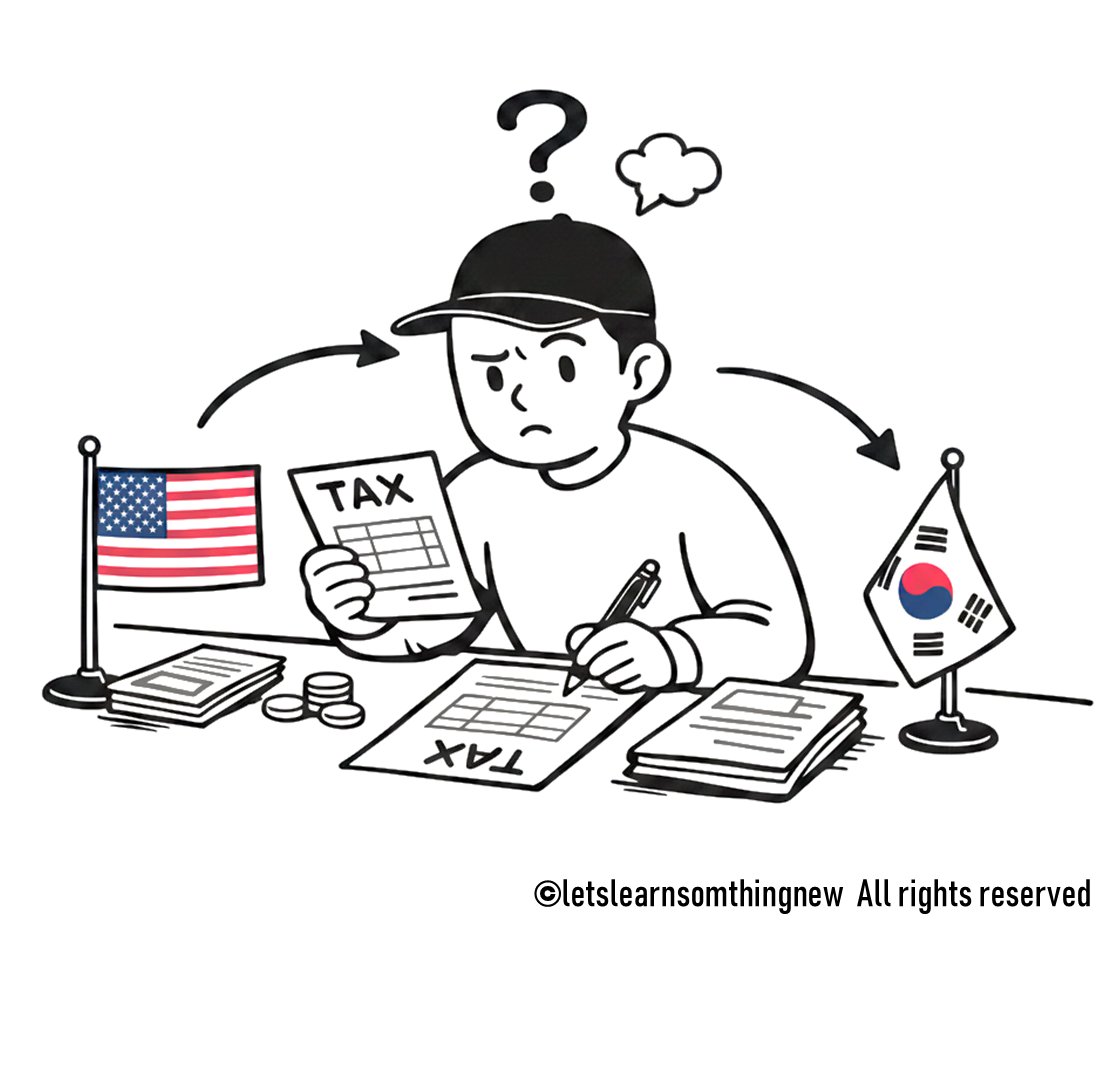
하지만 라이선스 마스터가 속해 있는 국가와 우리나라가 간 조세협약이 체결되어 있다면, 협약 내용을 살펴볼 필요가 있습니다.

협약에 의해 더 낮은 세율이 적용될 수 도 있기 때문입니다. 실제로 한일협약에서 사용료소득은 10% 제한세율(지방세 포함!)을 적용받고, 한미협약에서는 15% 제한세율을 적용받을 수 있습니다.


* 조세협약은 국세법령정보시스템에 들어가면 나라별로 나와 있으니 직접 확인하시면 됩니다.
https://txsi.hometax.go.kr/docs_new/customer/law/statutePact.jsp?gubun=3


* 라이선스 관련 소득이 어디서 발생했는지, 한국에 라이선스 마스터가 체류하는지/사업장이 있는지 등에 유의해서 보시기 바랍니다.

한일 조세협약 12조 사용료 부분


다만 조세협약에 나와있는 제한세율을 적용받기 위해서 소득자는 두가지 증명서류를 원천징수 의무자에게 제출해야 합니다.

1) 하나는 해당 국가의 국세청에서 발급하는 거주자 증명 서류이고

2) 다른 하나는 조세조약상 국내원천소득제한세율적용신청서 입니다.

실무에서는 거주자 증명서류는 소득자가 해당 국가의 거주자임을 증명할 수 있는 다른 서류가 있으면 갈음해서 사용하는데,

소득제한세율적용신청서는 직접 받아야 합니다.


참고로 "조세조약상 소득제한세율 적용신청서"는 거주자와 계약내용이 바뀌지 않는 한 3년간 유효하며,

의무보관기간은 5년(원천징수 다음날부터)입니다. 관한 세무서장의 요청이 있을 시 제출해야 합니다.


*  국세청에서 발간한 조세조약상 제한세율적용신청서 해설 아래 첨부하오니

더 자세한 설명과 신청서 양식(국문 31p. /영문 51p. )은 첨부파일에서 확인하시기 바랍니다.


3. 원천징수 영수증 발행

  • 라이선스 금액과 세액, 차인 금액을 미리 확인합니다.
  • 원천징수 영수증은 지급 당일 일자로 발급합니다.
  • 조세협약상에서 정해진 세율이 있다면 고려하여 세율을 계산합니다.

* 외화로 로열티를 지급할 경우, 지급일의 환율을 사용하여 환산해야하기 때문에 영수증은 지급일 이후에나 발급할 수 있을 겁니다.


EX) 라이선스 마스터가 일본의 회사고 발생한 로열티가 3억이라는 가정하에 아래와 같이 원천징수 영수증을 작성했습니다.

한일조세협약에서는 소득세와 지방세가 모두 대상이 됩니다.

따라서 한일조세협약의 제한세율 10%는 소득세+지방세를 모두 합한 금액이어야 합니다. 

사용료 소득에 대한 원천징수 영수증


반면, 한미조세협약에서는 소득세만 대상이 되기 때문에 제한세율 15%는 소득세에만 해당됩니다. 따라서 소득세 15% + 지방세 1.5%, 총 16.5%의 원천징수를 하게 됩니다. 이점 유의하시기 바랍니다.


4. 원천세 신고 진행


홈택스에 들어가 로그인을 하고 원천세 신고하기에 들어가 기본정보 입력에서 알맞은 소득종류를 선택합니다.

원천세 신고 시 기본정보 입력에서 사업자등록번호 옆의 확인 버튼을 누르면 기본 정보가 불러와집니다.


저는 해외법인의 라이선스 소득 즉 사용료 소득에 대하여 원천징수를 했다고 가정하고 진행하였으니

기존 신고하는 근로소득에 + 법인원천 소득을 추가하겠습니다.


원천징수이행상황신고서에 앞에 선택한 근로소득과 법인 원천소득란이 생성되었습니다.
각 소득에 알맞은 값을 입력합니다.


법인원천 소득은 부표를 작성해야 합니다.
부표의 외국_사용료란에 지급액과 소득세를 넣어줍니다.


법인원천 신고서 부표 작성


부표까지 작성을 마치셨다면 이제 신고서를 제출하시면 됩니다.
+아래 게시글을 참고하여 지방세도 잊지말고 납부하세요!
https://letslearnsomethingnew.tistory.com/m/39


[원천세] 위택스 지방소득세 신고(사업장 여러 개 신고, 중도퇴사 등 가감조정 방법)

안녕하세요 오늘은 지방소득세 신고하는 법에 대해 안내해 드리려고 합니다. 지방소득세는 보통 원천징수하는 소득세의 10%를 각 소득세의 납세지에 납부하는 제도 입니다. 원천세 신고와 짝꿍

letslearnsomethingnew.tistory.com


라이선스 사용으로 로열티가 발생한 사업장에 도움이 되길 바랍니다.

감사합니다.


[별지 제29호의12서식] 국내원천소득 제한세율 적용신청서 (비거주자용)(소득세법 시행규칙).pdf
0.07MB


반응형

저는 매년 연초가 되면 애드센스에 거주자증명서를 새로 제출하고 있습니다.


근데 거주자증명서는 뭐고 왜 이렇게 귀찮은걸 매년 해야 할까요?


나라마다 소득세법은 모두 다르고, 기본적으로는 소득이 발생한 나라에 세금을 납부하는 것이 원칙입니다.

예를 들어 한국에서 근로소득이 발생하면, 직장인들은 해당 소득에 대해 근로소득세를 납부하게 되죠.


그렇다면 외국에서 소득이 발생한다면 어떻게 될까요?

이 경우, 외국에서 발생한 소득이기 때문에 해당 국가에서 세금이 원천징수되거나 납부되는 경우가 많습니다.
그런데 만약 내가 한국 세법상 거주자라면, 이 외국 소득 역시 한국에 신고해야 할 의무가 생깁니다.

즉, 외국에서 세금을 냈더라도 한국 거주자라면 그 소득을 한국에 다시 신고해야 하는 상황이 발생할 수 있는 것입니다.

.........🥲


물론 외국에서 납부한 세금에 대해서는 일부를 공제받을 수 있습니다만(외국납부세액공제) 한국에서 계산된 세액 한도 내에서만 가능하기 때문에, 환율 차이나 소득 구분 등의 이유로 외국에서 낸 세금을 전부 다 공제받지 못하는 경우도 적지 않습니다.🥲


이렇게 되면 결과적으로 하나의 소득에 대해 두 나라에서 세금 부담이 발생하는, 이른바 이중과세 문제가 생기게 됩니다.
납세자 입장에서는 부담이 커질 수밖에 없고, 사업이나 해외 활동에 대한 의욕도 떨어질 수 있겠죠.

다행히도 이런 문제를 줄이기 위해, 나라와 나라 사이에는 조세조약(조세협약) 이 체결되어 있습니다.
조세조약이 적용되면 특정 소득에 대해 세금이 면제되거나, 더 낮은 세율이 적용될 수 있습니다.


그리고 한국이 다른 나라와 체결한 조세조약의 혜택을 받기 위해서는,
내가 세법상 이 조세조약에 해당하는 ‘한국의 거주자’ 임을 증명해야 하는데,

이때 필요한 서류가 바로 거주자증명서입니다.


이제 거주증명서를 발급받으러 가보겠습니다.

이 서류는 국세청에서 발급 가능합니다.


검색창에 거주자증명서 발급신청을 넣고 서비스 바로가기에서 선택합니다.

로그인을 하면 바로 아래 화면이 뜹니다.

아래 붉은색 상자를 채워주세요.

*애드센스의 경우 발급대상 국가에 싱가포르를 넣어주세요!


신청하고 영업일 하루정도 지나면 거주자 증명이 발급됩니다.

완료되면 휴대폰으로 알람이 오더라고요.

이제 발급된 거주자 증명을 찾으러 가보겠습니다.

홈택스>증명/등록/신청>민원증명>미원신청 처리결과 조회


접수일자에 기간을 넣고 조회하면~~~ 신청한 거주자증명서를 확인할 수 있습니다.

출력버튼 누르고 PDF로 저장해서 애드센스에 내면 끝 끝 끝~~

애드센스에서 검토하는 데에는 몇 영업일 걸리는데 일주일 안쪽이었던 것 같습니다

반응형

+ Recent posts